



Aesthetics
Prosthetics
Treatments
Prophylaxis
Surgery
1 / 5
Aesthetics
Bleaching is the dental whitening of natural teeth using peroxides. Colour pigments in the enamel are oxidised and thus chemically lightened.
Before bleaching, a professional cleaning is required to remove plaque. A dental check-up is also necessary beforehand to rule out cavities or leaking fillings.
After bleaching you should avoid staining foods for 48 hours (the so-called white diet). Teeth may become temporarily more sensitive.
No, bleaching only works on natural teeth. Crowns, veneers, and fillings are not lightened.
Depending on lifestyle (e.g. coffee, tea, or smoking), the result usually lasts from several months to a few years.
Prosthetics
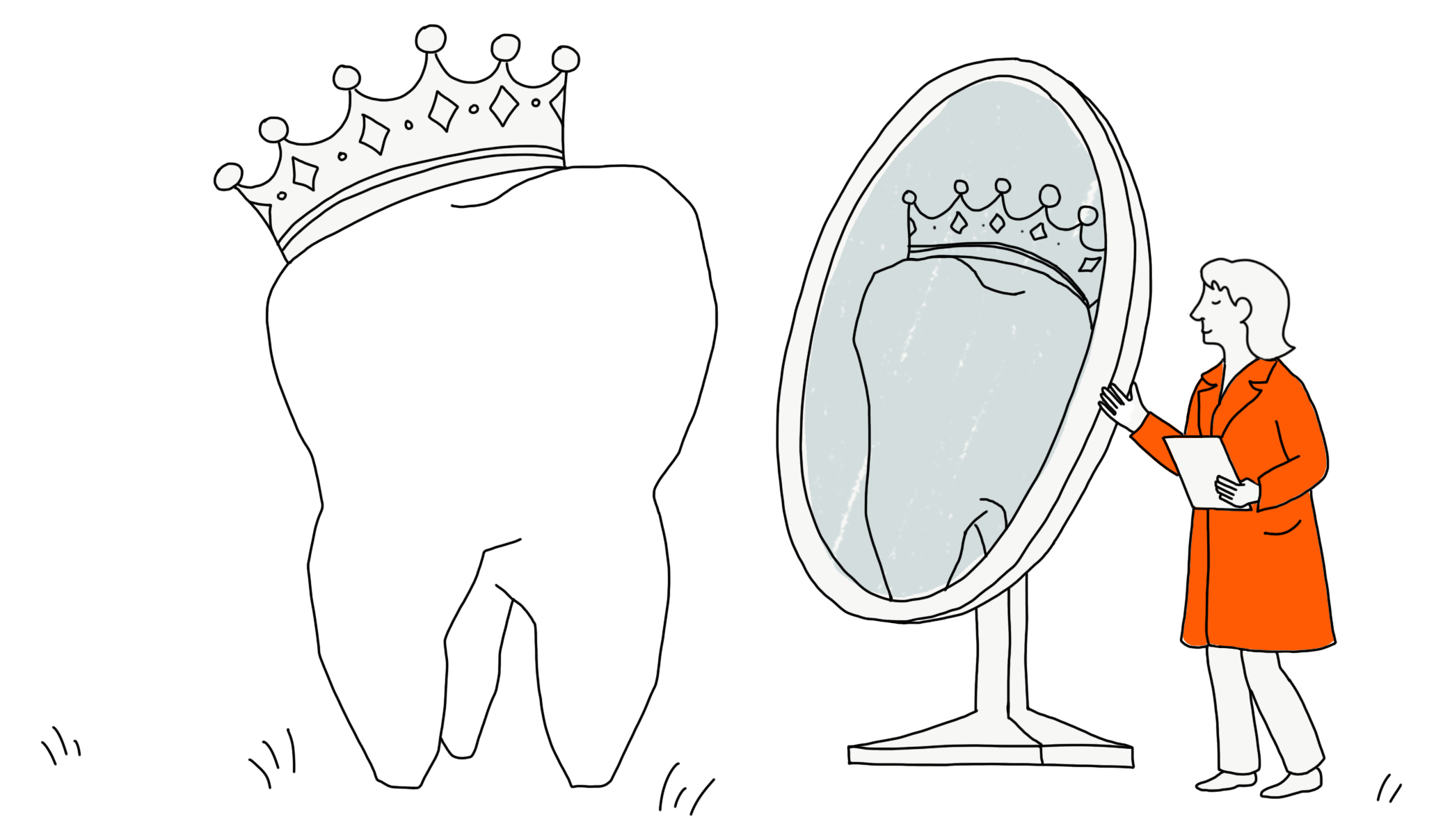
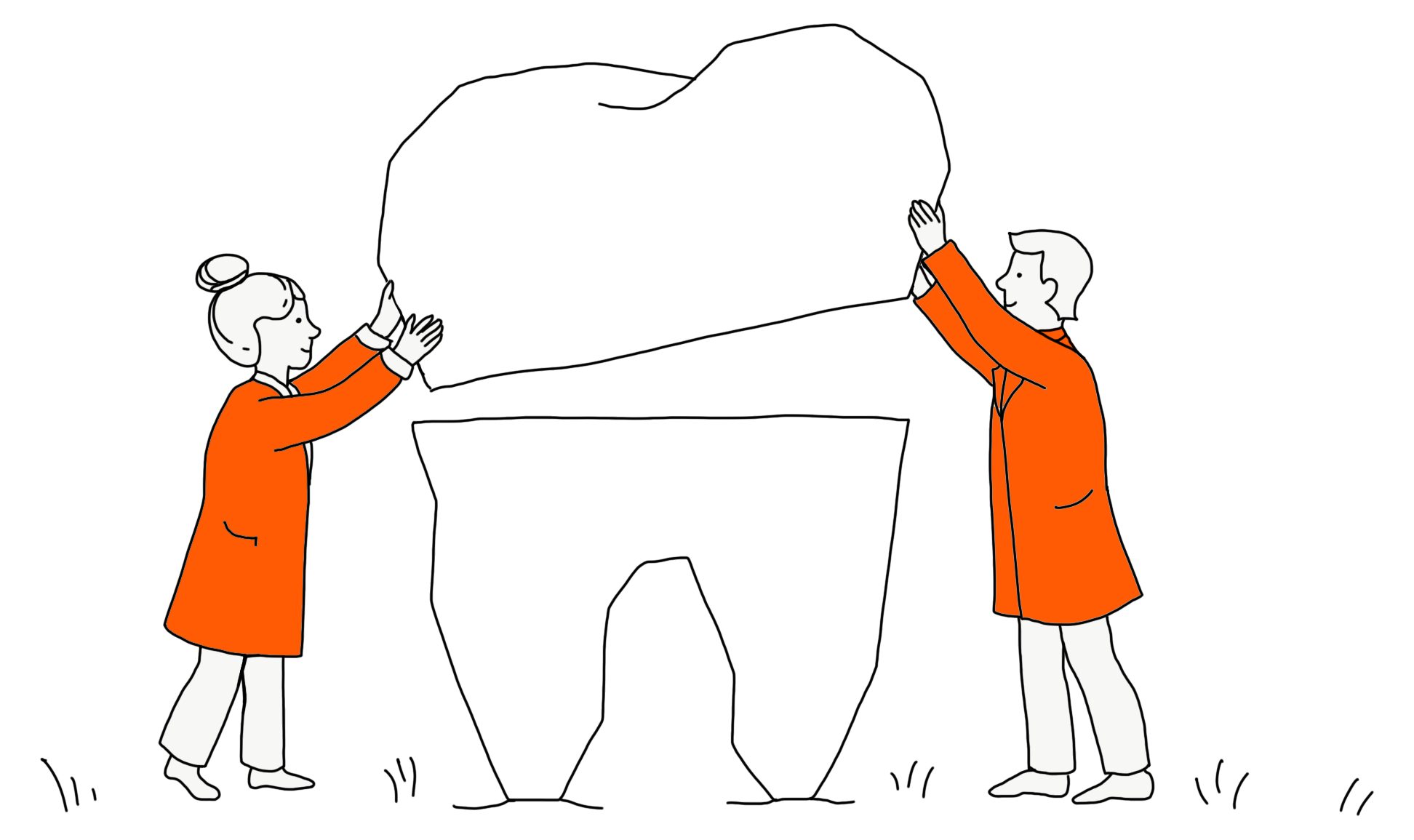
Inlays are high-quality inlay fillings that are precisely and individually made in the laboratory and then bonded into the tooth by the dentist.
Inlays are mostly made of ceramic (tooth-coloured) or gold.
Inlays usually offer significantly greater durability (about 10–15 years) and stability than composite fillings.
Inlays are used for medium-sized cavities in the posterior region.
Unlike classic fillings, inlays are made outside the mouth in the laboratory and then placed. This allows a particularly precise fit, high stability, and an aesthetically high-quality result.
Treatments
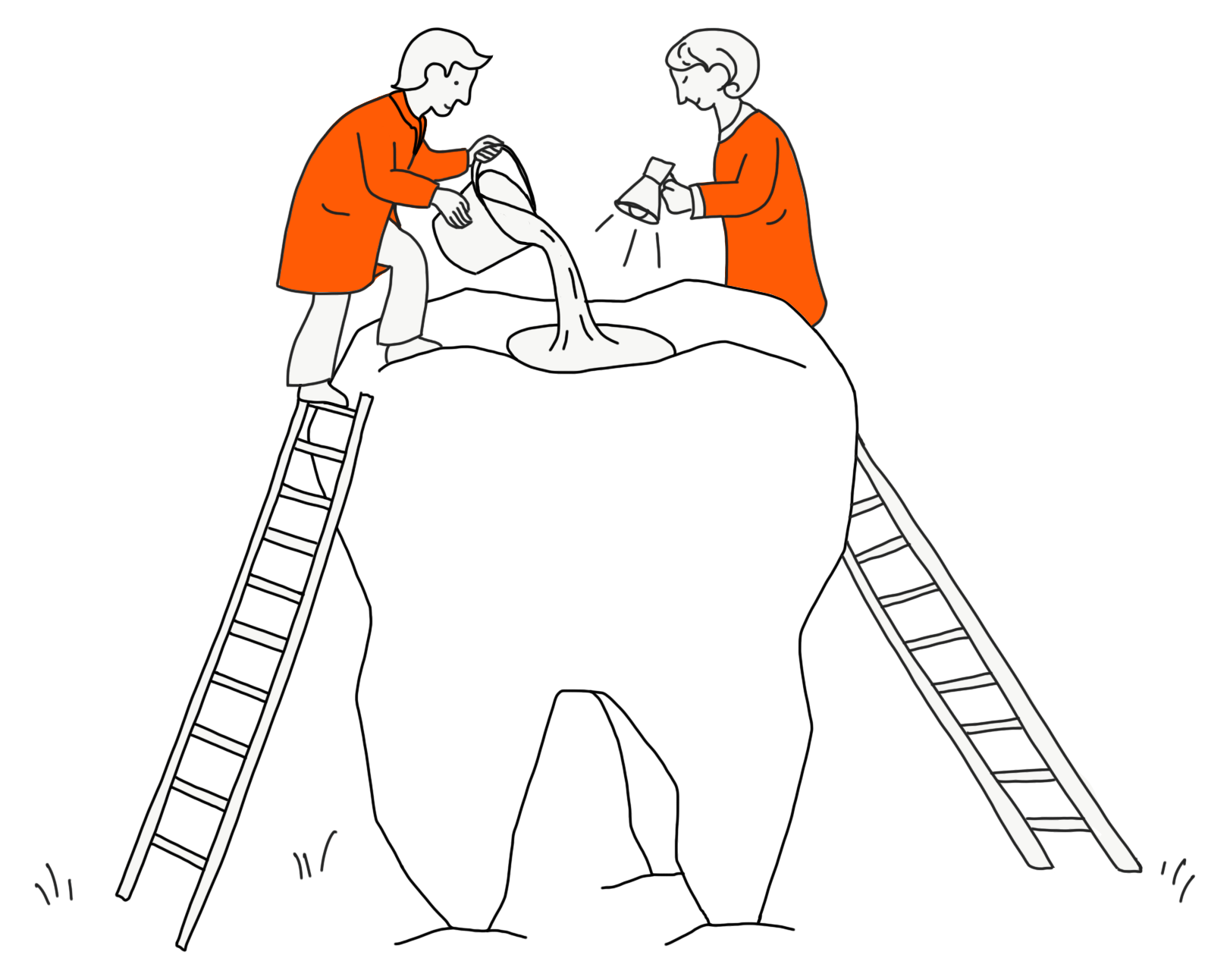
Composite fillings are tooth-coloured, plastic fillings to repair smaller cavities or tooth defects. They are mercury-free and aesthetically advantageous thanks to individual colour matching.
With good care, composite fillings can last up to 5 years.
Composite fillings are used for small to medium-sized defects, especially in the visible area where an aesthetically inconspicuous restoration is desired.
Composite fillings are tooth-coloured and barely noticeable. They preserve tooth substance and can be individually matched to the natural tooth colour.
Composite fillings are cared for like natural teeth. Good oral hygiene and regular dental check-ups support their long-term durability.
Prophylaxis
A professional dental cleaning is a thorough mechanical cleaning in which plaque, tartar, and discoloration are removed.
First, plaque is made visible with a special staining solution. The teeth are then cleaned using ultrasound, hand instruments, and Airflow (an air-powder-water jet). Afterwards the tooth surfaces are polished and a fluoride gel is applied. Finally, you receive individual tips to optimise your home oral hygiene.
As a rule, a professional cleaning is recommended once or twice a year. Depending on individual risk, a shorter interval may also be sensible.
A professional dental cleaning supports the prevention of cavities and gum disease, removes discolouration, and promotes long-term dental health.
The treatment is usually well tolerated. With sensitive teeth there may be brief, mild irritation, which quickly subsides.
Surgery
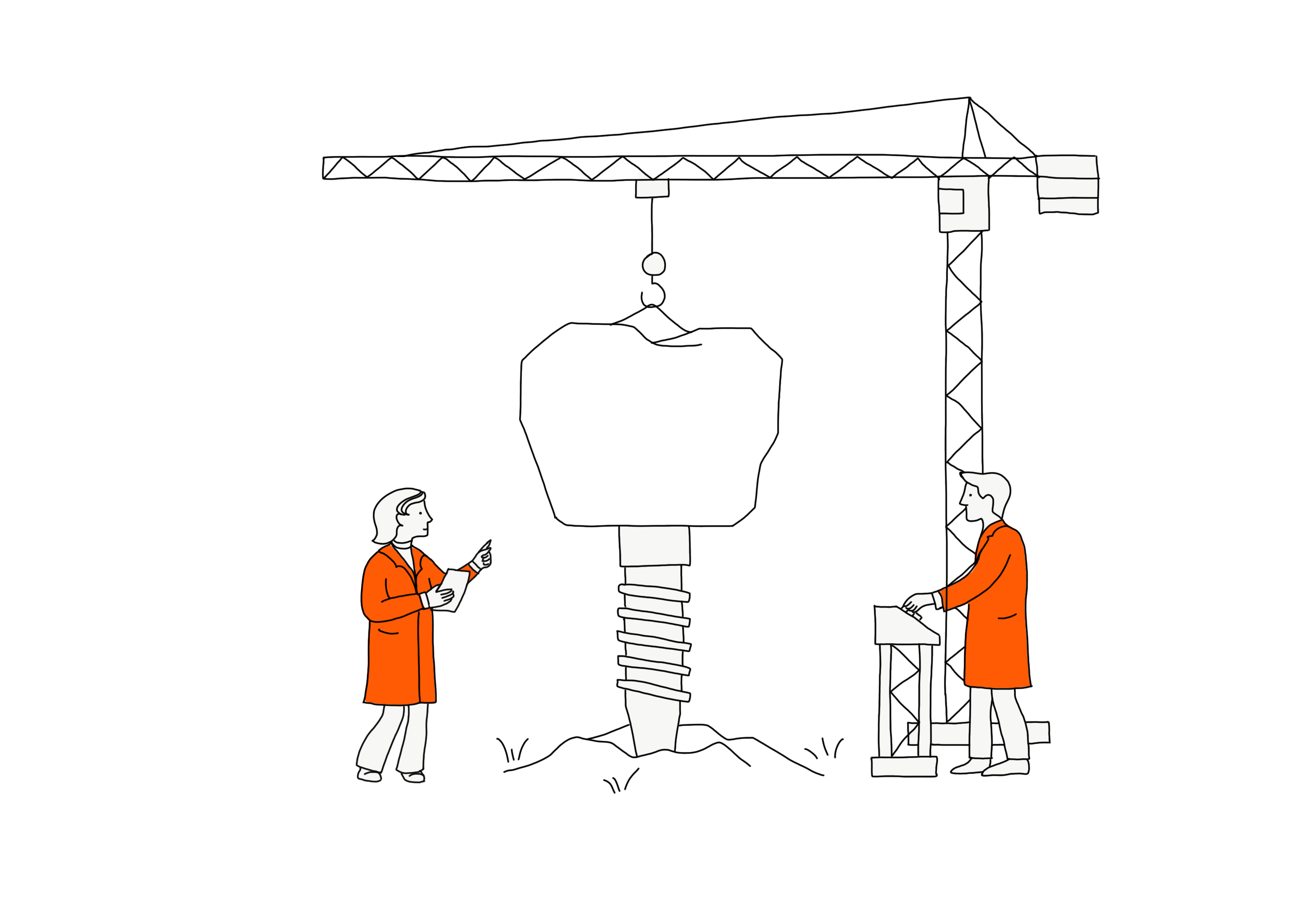
A tooth extraction is the surgical removal of a tooth from the jawbone when preserving the tooth is no longer possible or no longer desired.
First the affected area is made pain-free with local anaesthesia. The tooth is then carefully loosened and removed from its socket.
You can find important guidelines for the time after the procedure in our patient form on aftercare following tooth extraction.
Thanks to modern anaesthesia techniques, the treatment is usually painless. After the procedure, mild discomfort may occur, but it is usually easy to manage.
The healing time varies individually. Initial discomfort usually subsides after a few days, while full regeneration takes place gradually.